

AUBURN, CA — Paul Kovacich, a retired K-9 commander serving life for the 1982 murder of his wife, is challenging his conviction amid claims of FBI misconduct and new evidence about his beloved German shepherd, Fuzz.
At 76, Kovacich faces his first parole hearing but has made clear he does not seek early release. Instead, he hopes to use the hearing to expose alleged flaws in his 2009 conviction. His defense team says suppressed evidence proves Fuzz was not stomped to death as prosecutors claimed, but likely died from an undigested pork rib, undermining decades-old assertions of Kovacich’s violent tendencies.
The FBI exhumed Fuzz in 2005 to analyze the dog’s remains, believing the K-9’s death could indicate violent behavior by Kovacich. Emails between a veteran FBI agent and a forensic anthropologist, sent via a personal account, allegedly suggested manipulating evidence to show Kovacich had a “violent side.” Defense attorneys argue these private emails should have been disclosed to the defense, constituting a major Brady violation.
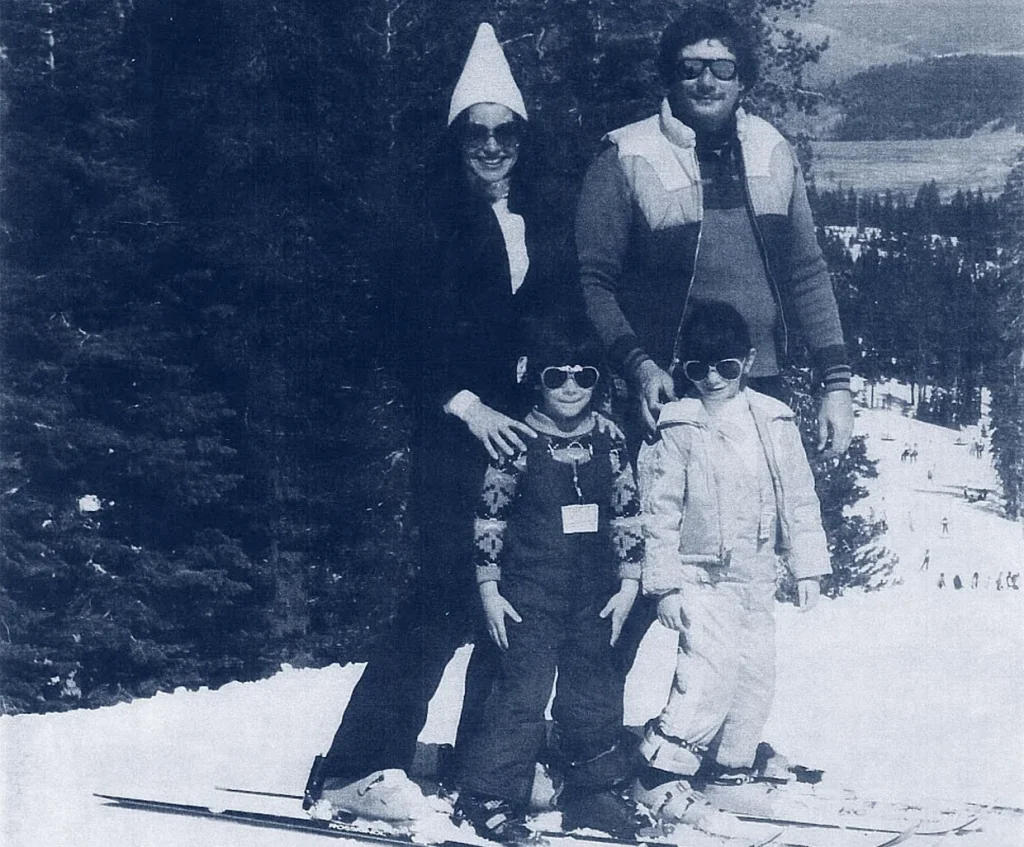
Janet Kovacich vanished in 1982 after arguing with her husband, leaving behind two young children. Authorities conducted exhaustive searches in the Northern California foothills, including infrared scans, sonar sweeps, and mine shaft investigations. A partial skull discovered in 1995 and later linked via DNA in 2007 to Janet Kovacich became key evidence in the murder trial.
Despite the decades-long investigation, physical evidence tying Paul Kovacich directly to the murder remains limited. His defense now questions whether the notorious Golden State Killer, Joseph DeAngelo, who patrolled the area at the time, could have been involved.
Kovacich’s defense attorney, Kristen Reid, claims the FBI suppressed critical forensic evidence that could prove his innocence. “Special Agent Hopkins not only withheld material evidence but hid proof of actual innocence — allowing the real killer to evade justice,” Reid said.
Convicted of first-degree murder in 2009, Kovacich was sentenced to 27 years to life. At his upcoming parole hearing, he aims to challenge the integrity of his conviction and highlight what he describes as “misconduct and cover-ups” in the investigation.

Leave a Reply