
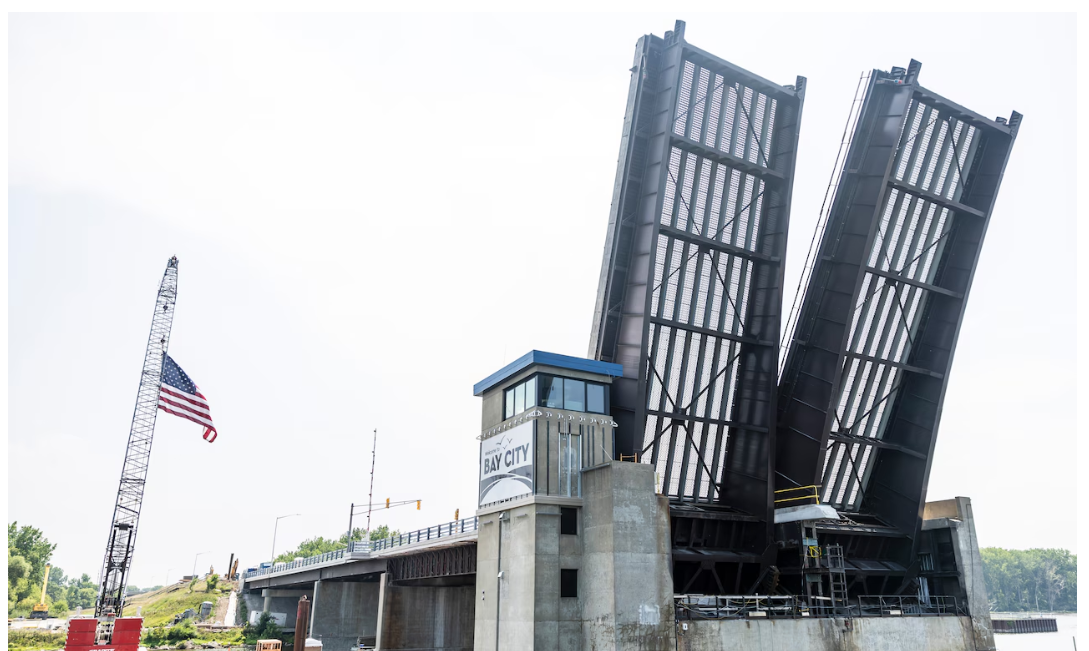
DETROIT, MI — A federal lawsuit challenging toll practices on the Independence Bridge in Bay City has entered a crucial new stage, as both sides prepare to exchange evidence over the coming months.
Evidence Exchange to Shape Case
The class-action case, filed in the U.S. District Court for the Eastern District of Michigan, is now in the discovery phase, following a joint plan submitted by attorneys on April 7.
Under the agreement, both parties will share documents and information over approximately seven months, laying the groundwork for future arguments and motions.
Allegations Over Early Toll Collection
The lawsuit targets Bay City Bridge Partners and its affiliate, accusing them of:
- Charging tolls before completing major restoration work
- Collecting fees during periods when the bridge was closed
Plaintiffs argue these actions amount to breach of contract, implied contract violations, and unjust enrichment.
Company Pushes Back
The defendant denies any wrongdoing and disputes that the case qualifies as a class action. The company also questions whether the plaintiffs can legally represent a broader group of affected drivers.
Key Focus: Data, Records, and Witness Testimony
Discovery will center heavily on:
- Toll collection system data
- Bridge closure and operational logs
- Internal communications and financial records
Attorneys for the plaintiffs have indicated they will prioritize obtaining this data early, citing its importance to both class certification and the overall case.
Depositions Scheduled Through Fall 2026
Depositions of key individuals—including engineers, contractors, government officials, toll vendors, and motorists—are expected to take place between June and November 2026.
Both sides are also working to standardize how complex datasets, particularly tolling and operational records, will be shared and analyzed.
What Comes Next
Once discovery related to class certification is completed, plaintiffs are expected to formally seek class-action status, a pivotal step that could expand the scope of the lawsuit significantly.
The case could have broader implications for toll transparency and infrastructure accountability if it proceeds further in federal court.