
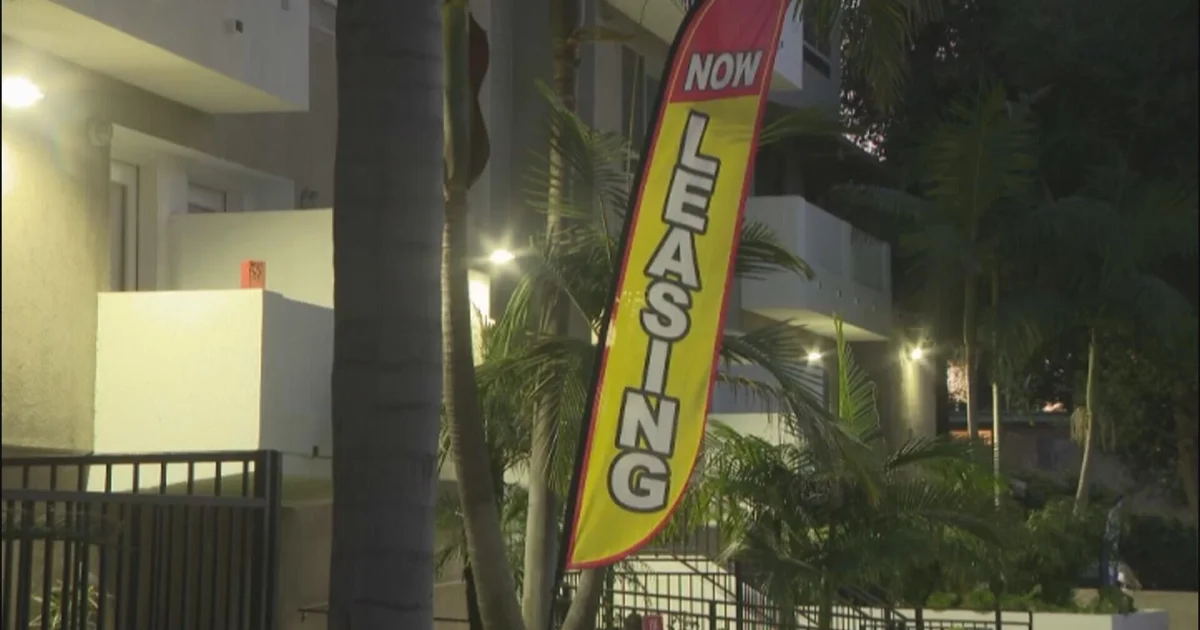
Renters in Los Angeles are finally seeing some relief as a wave of new apartment developments begins to cool the city’s historically high rental prices.
A recent report by Zumper shows that Los Angeles has dropped out of the top 10 most expensive U.S. cities for renters for the first time. The shift comes as thousands of new housing units enter the market, increasing availability and giving tenants more negotiating power.
According to the report, the average rent for a one-bedroom apartment fell by 3.5% this month to $2,210, while two-bedroom units declined 2.6% to $3,030. On a yearly basis, rents for both categories are down nearly 4%, signaling a noticeable shift in the city’s rental landscape.
Experts attribute the decline largely to a surge in housing supply. More than 12,000 new apartment units are expected to be completed this year, marking the largest influx of new rental inventory Los Angeles has ever recorded. This increase has reduced competition among renters and forced landlords to offer incentives such as waived fees and free rent to fill vacancies.
For longtime residents, the change is significant. Renters who once faced intense competition—often rushing to apply for apartments within hours—are now finding more options and flexibility. However, despite the drop in rental prices, the overall cost of living in Los Angeles remains high compared to many other parts of the country.
Real estate professionals note that while rents are stabilizing, they are essentially returning to pre-pandemic levels after a sharp spike in recent years. Market conditions have shifted, with fewer bidding wars and less urgency among renters.
Still, industry experts caution that this relief may be temporary. High homeownership costs continue to push potential buyers into the rental market, which could drive demand—and prices—back up in the near future.
Additionally, developers are becoming more cautious due to rising interest rates and economic uncertainty, which may slow down future construction and limit long-term supply growth.
While the current dip offers a welcome break for renters, analysts agree that deeper structural changes are needed to address Los Angeles’ ongoing housing challenges, including policies that support affordable and mid-range housing development.