
Tensions continued to rise in Minneapolis this week as federal immigration agents repeatedly clashed with protesters following the fatal shooting of Renee Good, who was killed by an ICE officer last week.
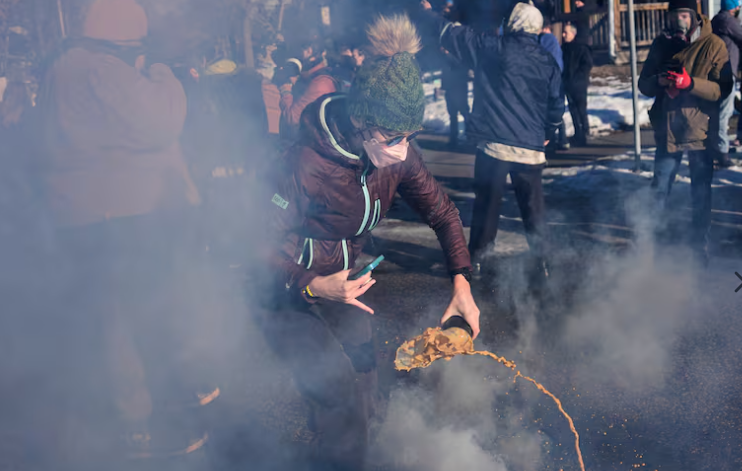
On Tuesday, officers deployed tear gas and pepper spray near the site where Good was shot, prompting chaotic scenes as protesters scrubbed their eyes with snow and fled gas-filled streets. Activists have been using whistles and public alerts to warn neighbors when immigration agents appear in unmarked vehicles.
The unrest has also triggered internal fallout within the U.S. Attorney’s Office, where at least five federal prosecutors have resigned amid concerns over how the Justice Department is handling the case, according to sources familiar with the matter. An FBI investigation into Good’s death remains ongoing, though the Justice Department says there is no basis for a civil rights prosecution.
Good, a 37-year-old mother of three, was shot in the head while driving away from federal agents. The Trump administration has defended the officer’s actions as self-defense, but state and local leaders, including Minneapolis Mayor Jacob Frey and Gov. Tim Walz, have sharply disputed that claim based on available video evidence.
As protests spread, students in Brooklyn Park walked out of school in solidarity with demonstrators opposing immigration enforcement operations. Large crowds later gathered outside a Minneapolis hotel and a federal building being used as an operational base for immigration agents.
Minnesota, along with Minneapolis and St. Paul, has filed a lawsuit seeking to halt the deployment of more than 2,000 federal immigration officers in the state, alleging constitutional violations including infringements on free speech. A judge has scheduled a status conference, while a separate lawsuit challenges the use of chemical agents against observers recording enforcement activity.
Despite mounting legal and political pressure, the Department of Homeland Security says it has made over 2,000 immigration-related arrests in Minnesota since early December and has pledged to continue operations.