
An unexpected find inside one of Illinois’ most historic buildings has uncovered a piece of early 20th-century history.
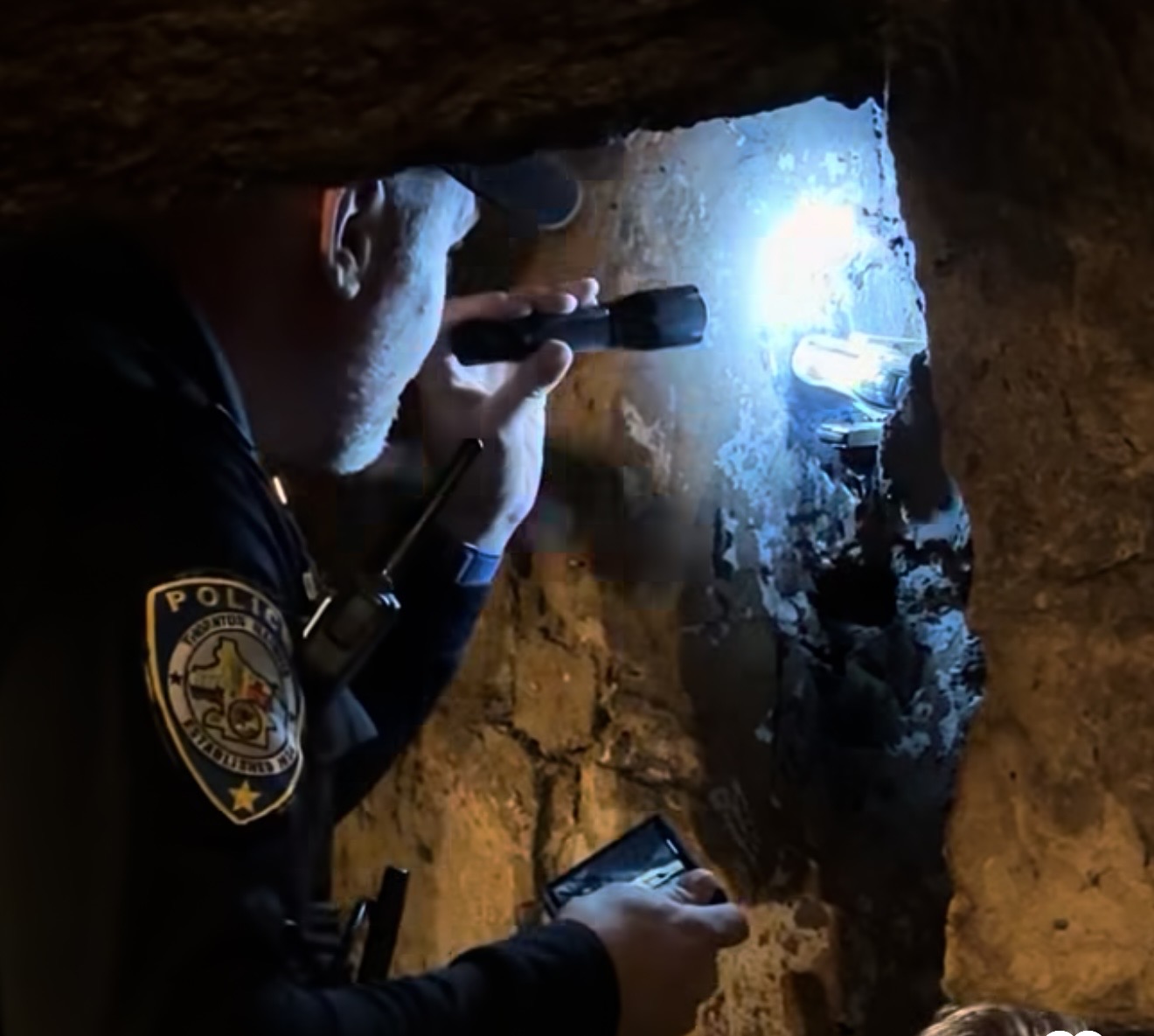
According to the Thornton Police Department, officers were called to the Thornton Distilling Company after employees discovered a firearm concealed within the walls of the building during routine work.
Distillery owner Andrew Howell told Region News Source the discovery happened while he was measuring space to install electrical infrastructure near the building’s subterranean artesian well, a popular photo spot for wedding couples. After a photographer suggested adding lighting during a recent bridal fair, Howell began inspecting the area.
“There’s an old potbelly stove vent in the wall, and about three feet in I discovered a void,” Howell explained. “While checking it with a flashlight, I saw the chrome finish of a pistol.”
Police recovered a Colt handgun believed to date back to around 1903. The firearm was found inside a leather holster and was still loaded. Officers safely secured the weapon and conducted a records check, which confirmed it was not linked to any criminal activity.
Based on the handgun’s condition and where it was hidden, investigators believe it had been concealed inside the wall for many decades. Authorities emphasized there is no threat to the public, and after ensuring the weapon was safe, it was returned to the property owner for proper safekeeping. No further investigation is planned.
The discovery adds another layer to the rich and colorful history of the Thornton Distilling Company, which operates within the oldest standing brewery in Illinois.
The site dates back to 1857, when immigrant brewer John Bielfeldt built a brewery along Thorn Creek in the limestone-mining village of Thornton. Records indicate a log cabin saloon and brewery operated on the property as early as 1836, supported by an artesian well that remains in use today.
The brewery later became a gathering place for quarry workers whose limestone helped build much of Chicago. Its reputation was strengthened by its unique water source — a 1,500-foot-deep artesian aquifer originating from Lake Superior and naturally filtered through limestone.
During Prohibition, the brewery was sold to Carl Ebner, who publicly produced soda while secretly continuing beer production. Federal agents eventually raided the site, destroying equipment and dumping thousands of gallons of beer into Thorn Creek.
The property later became associated with Al Capone and his associate Joe Saltis, who used the operation to supply Chicago speakeasies. Both men were eventually listed on the Chicago Crime Commission’s first “Public Enemies List.”
While no direct link has been established between the recovered handgun and any specific criminal figure, its age and concealment align with some of the most turbulent periods in the building’s past.
Howell said the distillery plans to consult a firearms expert to learn more about the weapon. “If it’s safe to display, we’d like to include it with the other artifacts at our bar and restaurant as part of our historic tours,” he said.
What began as routine maintenance instead revealed a tangible relic from more than a century ago — a quiet reminder of a building that has survived immigration, industrial growth, Prohibition, federal raids, and organized crime, with one more story hidden in its walls until now.