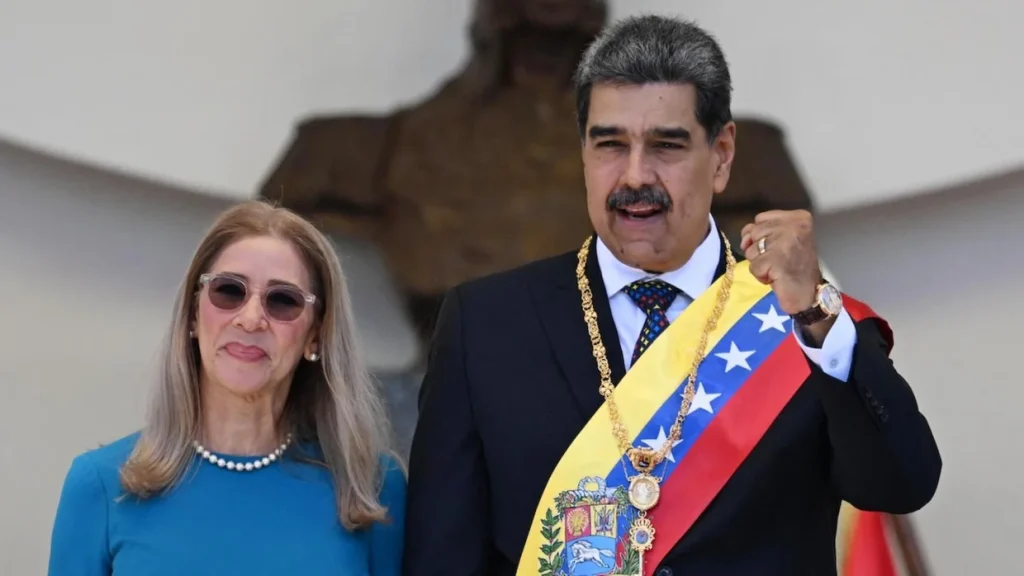


Florida education officials have announced major curriculum changes for 2026, requiring middle and high school students to study the rule of Nicolás Maduro as part of a revised “History of Communism” course.
The update, introduced by the Florida Department of Education, aims to give students a deeper understanding of modern political systems and their real-world impact.
What Will Florida Students Learn About Nicolás Maduro?
Under the new guidelines, students will examine key aspects of Maduro’s leadership in Venezuela, including:
- Allegations of human rights abuses
- Political control and governance structure
- International sanctions and legal actions
- Reported links to global drug trafficking networks
The curriculum is designed to connect historical ideologies with current global events, helping students analyze how governments influence society.
Why Florida Is Updating Its History Curriculum
The changes were approved by the Florida Board of Education as part of a broader push to expand lessons on communism and its global impact.
Maduro, who took power in 2013 after Hugo Chávez, has faced criticism from organizations like the United Nations over alleged rights violations—claims his administration has denied.
Education leaders say including recent developments allows students to engage with ongoing political issues, rather than viewing history as something limited to the past.
How the ‘History of Communism’ Law Impacts Schools
The curriculum update builds on legislation signed by Ron DeSantis, which made “History of Communism” a required subject in Florida schools.
Students already study major historical figures such as:
- Vladimir Lenin
- Joseph Stalin
- Mao Zedong
- Fidel Castro
- Pol Pot
The addition of Maduro introduces a modern case study, making the subject more relevant to today’s global landscape.
What This Means for Students and Education
Officials say the updated curriculum will help students develop critical thinking skills and better understand how political systems shape economies, freedoms and daily life.
By incorporating current events into classroom discussions, Florida schools aim to create a more engaging and practical learning experience—one that prepares students to analyze global issues beyond textbooks.

Leave a Reply