
A newly released search warrant confirms that officers from the London Police Department entered the wrong home during a 2024 raid that ended in the fatal shooting of a 63-year-old man in Laurel County.
The documents, made public by the Kentucky State Police, outline critical details from a yearlong investigation into the death of Douglas Harless, who was killed just days before Christmas.
Police Entered Wrong Address
According to the warrant, officers were authorized to search a mobile home at 489 Vanzant Road in Lily as part of an investigation into stolen equipment. However, they mistakenly forced entry into a similar-looking residence at 511 Vanzant Road — Harless’ home.
Investigators noted that officers believed they were at the correct location based on available records. However, discrepancies between mapping data and actual address markings led to the fatal error.
Fatal Encounter During Entry
Authorities reported that as officers attempted to enter the residence, Harless confronted them with a firearm. Officers responded by opening fire, striking him multiple times. An autopsy later confirmed gunshot wounds to the head, neck, torso, and limbs.
Nine officers were present during the incident. Josh Morgan was identified as the officer who fired the fatal shots and was later cleared of wrongdoing.
In February, a grand jury declined to indict any officers involved in the operation.
Investigation Tied to Theft Case
The warrant stemmed from a theft investigation involving stolen tools and equipment belonging to David Westerfield. Evidence and witness statements pointed to a different address than the one police ultimately entered.
A suspect connected to the theft case later pleaded guilty in 2025, further confirming the intended target location was not Harless’ residence.
Legal Fallout and Public Response
The release of the warrant has intensified calls for accountability and potential federal civil rights investigations. It also clears the way for civil litigation from Harless’ family.
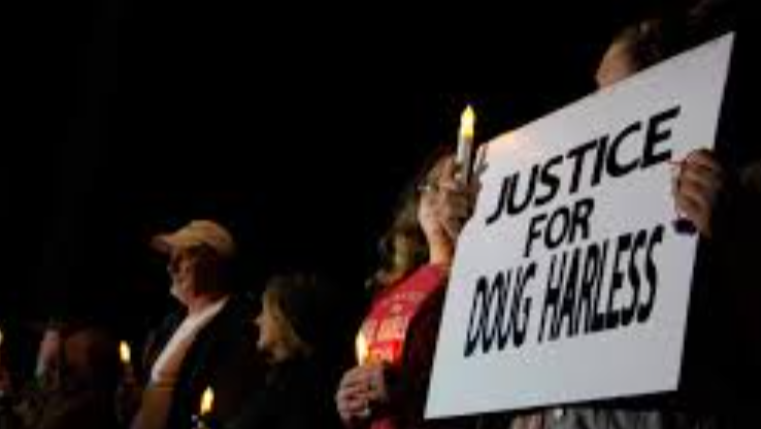
The case has sparked ongoing public outrage in the community, with vigils held regularly in Harless’ memory. Local officials have since taken steps to improve policing practices, including approving body-worn cameras for officers.
Despite the closure of the criminal case, questions remain about how the address error occurred and whether systemic failures contributed to the deadly mistake.