
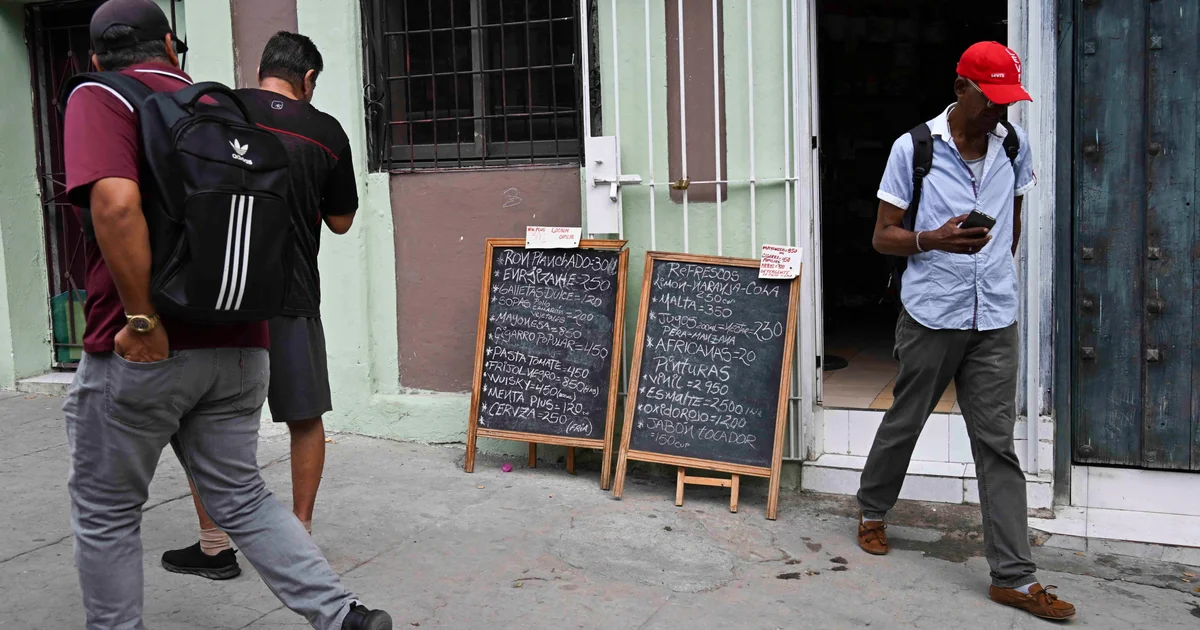
Members of the Cuban community in South Florida are expressing skepticism over a newly announced economic proposal from Cuba that would allow expatriates to invest in businesses and property on the island.
“We’ve heard this before,” locals say
For many Cuban Americans, the proposal is being met with distrust rather than optimism.
Armando Hernandez, who lived in Cuba for over three decades before moving to the U.S., said similar promises have been made in the past without meaningful change.
He also referenced historical tensions involving John F. Kennedy and the Bay of Pigs Invasion, highlighting long-standing frustrations with both Cuban leadership and foreign policy.
Economic plan seen as “desperation”
The Cuban government’s move comes as the island faces a severe economic and energy crisis, with officials increasingly trying to attract foreign investment and hard currency.
Recent reforms aim to allow overseas investors and foreign companies to operate more freely, including using foreign currency and owning business interests.
However, critics argue the plan does not address deeper structural issues such as inflation, weak infrastructure, and lack of economic stability.
Political tensions add to uncertainty
Some community members pointed to comments from Donald Trump, who has taken a hardline stance toward Cuba and suggested significant U.S. influence over the island amid its current struggles.
At the same time, U.S. officials have indicated that any future negotiations would likely depend on leadership changes involving Miguel Díaz-Canel.
Lawmakers and activists push back
U.S. Congressman Carlos Giménez criticized the idea of investing under the current Cuban system, warning of past cases where assets were allegedly seized or mismanaged.
Meanwhile, activist Ramon Saul Sanchez called on lawmakers in Washington, D.C. to remove restrictions preventing Cuban Americans from returning to the island, especially for humanitarian reasons.
Ongoing concerns among Cuban Americans
Many Cuban Americans remain wary of engaging economically with the Cuban government, citing decades of political tension, property disputes, and lack of trust.
Despite new proposals aimed at opening the economy, skepticism continues to dominate conversations within the exile community.