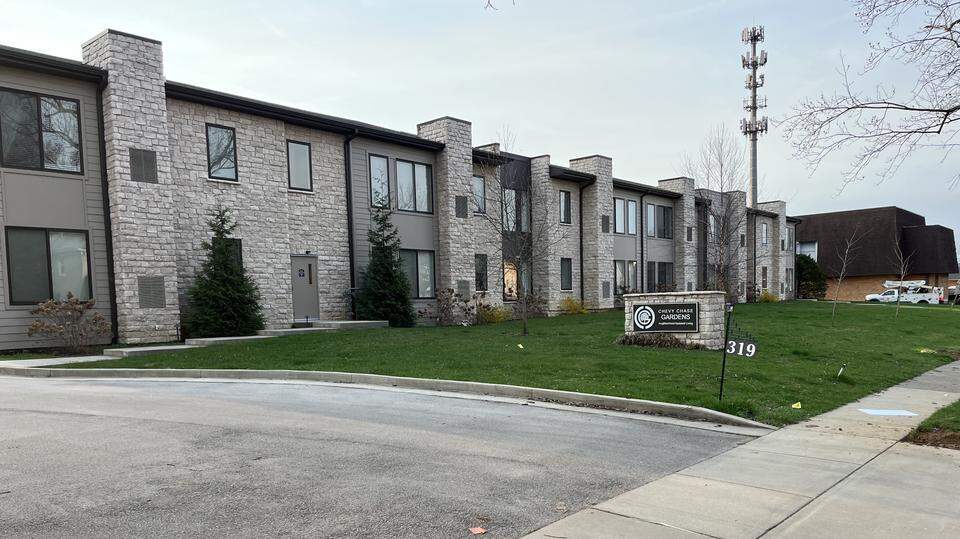


An opinion piece published last week called for “common sense” in discussions surrounding a proposed mental health facility on Duke Road. However, despite that appeal, the argument largely repeats concerns rooted in fear rather than facts.
The proposal by Roaring Brook seeks approval to operate a rehabilitation-focused center at 319 Duke Road. While critics point out that the site falls within an R-3 medium-density residential zone, they overlook that such zoning explicitly allows conditional uses like rehabilitation homes, hospitals, and similar facilities with proper approval.
Concerns about the scale of the project have also been raised, particularly regarding the plan to increase capacity from 24 to 60 beds. Critics argue that such density is inappropriate for a 1.3-acre property. However, basic calculations suggest the lot could reasonably support that number of units, especially considering multi-story construction is permitted. Additionally, the building is already licensed for up to 60 beds, making the proposed capacity less unusual than suggested.
Traffic has been another focal point of opposition, with claims that the facility would bring excessive daily movement. Yet, this estimate appears inflated, as it includes residents who are unlikely to generate significant traffic. Nearby institutions, such as local schools and future commercial developments, are likely to produce far greater congestion.
At its core, the debate seems driven by concerns about who the facility would serve. Opponents worry the center could house individuals recovering from addiction, dealing with mental health conditions, or involved in the justice system. While questions about current property use and zoning compliance are valid, broader fears about the population itself are not supported by evidence.
The key issue, then, is whether the proposal aligns with its stated purpose or represents something more concerning. A more reasonable conclusion is that the application reflects the complexities of zoning regulations rather than any hidden agenda.
Critics also raise a broader question about whether established neighborhoods should accommodate such developments. However, the answer, according to this perspective, is clear: communities must evolve to include diverse and necessary services.
Resistance to projects like this often reflects a “Not In My Backyard” mindset, which has historically limited growth and inclusivity in cities. Moving forward requires a willingness to support developments that serve broader community needs.
Ultimately, while calls for “common sense” continue, the reaction to the Duke Road proposal appears exaggerated and lacking strong factual grounding. A balanced review suggests the concerns may be overstated rather than justified.

Leave a Reply