
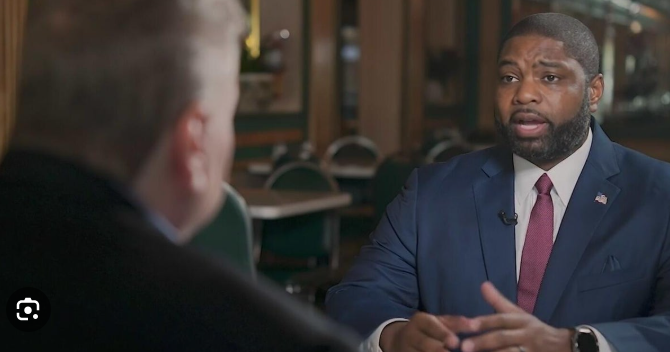
U.S. Rep. Byron Donalds, a Republican candidate for governor of Florida, says he sold marijuana as a teenager, acknowledging details about his past as his campaign faces increased scrutiny.
Donalds, 47, confirmed in a recent interview that he not only possessed marijuana during an arrest in 1997 but also sold small amounts while attending Florida A&M University in Tallahassee. The admission follows claims previously made by his ex-wife, Bisa Hall, in a 2024 interview.
“I dealt drugs for a period of time, low-level amounts,” Donalds said, describing the period in his late teens as a time when he made “stupid,” “bad” and “terrible” decisions.
The arrest occurred when Donalds was 18 years old. He later entered a pretrial diversion program, paid a $150 fine and had the marijuana charge dismissed. A separate fraud charge in 2000 resulted in a no-contest plea, and the record was later sealed and expunged.
Donalds, who has received the endorsement of Donald Trump in the 2026 governor’s race, said his life since those early years has been “a story of redemption.” He credited his wife Erika and his Christian faith for helping him change direction.
While serving in Congress, Donalds has sponsored legislation known as the D.C. CRIMES bill, which critics say would make it harder for young adults in Washington, D.C. to receive sentencing leniency similar to what he experienced.
During a House debate on the bill, Jasmine Crockett, a Democratic congresswoman from Texas, criticized Donalds and called his life story an example of the second chances he now seeks to limit through legislation.
The bill passed the House with bipartisan support but has stalled in the Senate.
Donalds rejected accusations of hypocrisy, saying the legislation targets what he describes as overly lenient crime policies in the nation’s capital. He argued that the diversion programs and record-sealing options available in Florida helped him rebuild his life but that the legal framework in Washington was different.