Many Americans take access to safe drinking water for granted, but residents in parts of West Virginia are facing a different reality.
People in the Wayne area remain under a “do not consume” order nearly three weeks after vandalism at a substation led to an oil leak into a nearby creek, contaminating the community’s water supply.
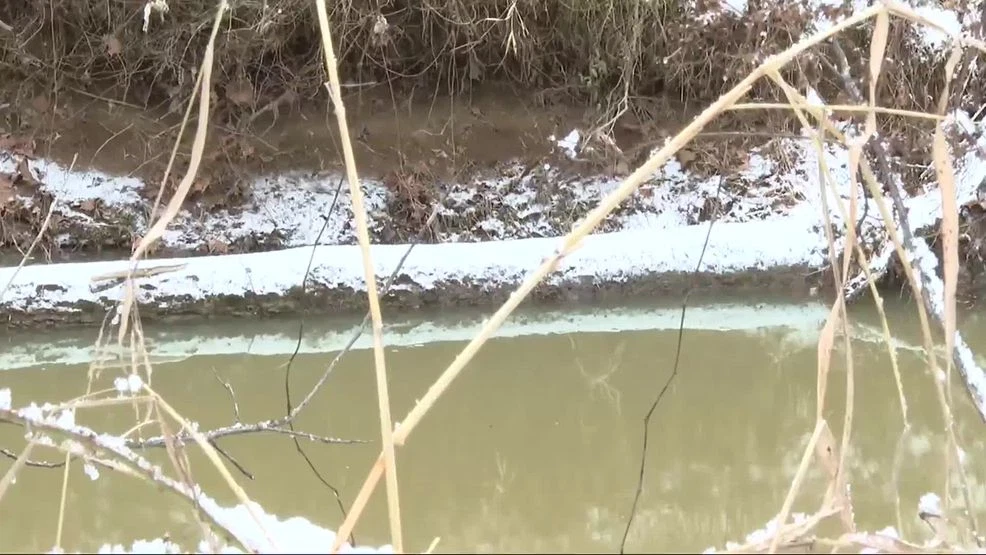
The January incident released thousands of gallons of mineral oil from American Electric Power’s inactive East Lynn substation into a creek that feeds Wayne’s water intake.
The oil, which is used as a coolant for transformers, does not contain polychlorinated biphenyls in the 1982 transformer involved, according to testing. However, officials said it still poses a water pollution risk.
State officials noted that highly toxic PCBs were detected in a residual tank used to drain other, undamaged transformers at the site. Even so, those levels were reported to be 40 times lower than what is considered dangerous.
Bottled water has been distributed to residents since the “do not consume” order was issued on Jan. 16.
Wayne Mayor Danny Grace said plans to flush the water system as a precaution are currently on hold due to leaks and other cold-weather issues, even though he believes there may now be enough water available.
Grace said about 20 new test results are expected by late Thursday or Friday, and recent treated water samples have not shown any signs of oil.
Testing is being conducted in Michigan, which has caused delays. State officials said, however, that the process has been faster than relying solely on local testing.
Appalachian Power released the following statement regarding the act of vandalism:
Appalachian Power was alerted to a potential environmental situation involving the East Lynn Substation in Wayne, West Virginia. Team members were dispatched to inspect the site. They found evidence of unauthorized access to the substation, damage to company equipment, and that a valve on a transformer containing mineral oil had been opened. This resulted in mineral oil spilling onto the ground and eventually reaching Twelvepole Creek.
Specialized spill control contractors were dispatched to the area and have been coordinating remediation activities, including clean-up and recovery of the leaked oil.
Appalachian Power continues to coordinate activities with the West Virginia Department of Environmental Protection. The company has also worked closely with local officials to distribute water to local residents who have been affected by this event.
The vandalism at East Lynn Substation is currently under investigation, and APCo is working with local law enforcement. APCo is utilizing the lessons learned from this incident to refine our processes and enhance the protective measures already in place.
No timeline has been announced for when the water crisis will end.