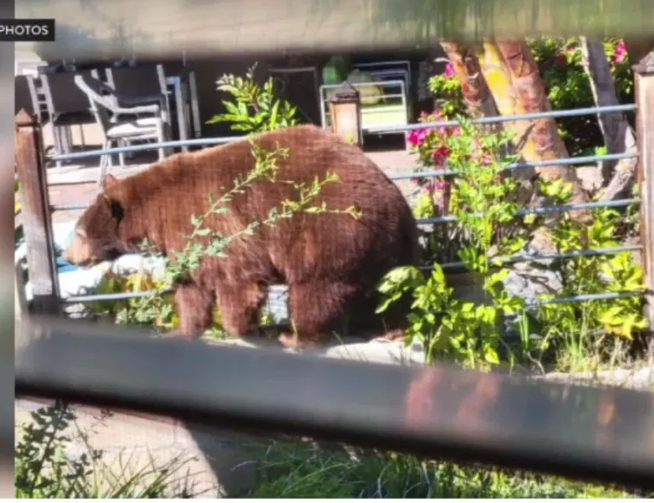


A new California bill aims to reduce the euthanasia of wild animals and encourage safer interactions between humans and wildlife, following a controversial incident involving a mother bear in Southern California.
SB 1135 Introduced to Strengthen Wildlife Protection
State Senator Catherine Blakespear has introduced Senate Bill 1135, a proposal designed to create a statewide coexistence program and limit the need for lethal action against wildlife.
The legislation would also formalize a compensation and coexistence program for wolf-livestock conflicts, expanding efforts to balance environmental conservation with public safety.
Proposal Includes $50 Million for Coexistence Program
The bill outlines a plan to allocate nearly $50 million in California’s 2026–27 budget to fund initiatives that help reduce human-wildlife conflicts.
According to the California Department of Fish and Wildlife, incidents involving wildlife have surged in recent years, with reports increasing significantly as animals move closer to populated areas in search of food and shelter.
Bear Incident Sparks Public Outcry
The proposed legislation comes after a widely publicized case in Monrovia, where a mother bear—known locally as “Blondie”—was euthanized after reportedly swiping at a resident near her cubs.
The decision drew criticism from community members, who argued that non-lethal alternatives could have been used. The incident highlighted growing tensions between expanding human development and wildlife habitats.
Focus on Prevention, Education and Technology
SB 1135 emphasizes proactive strategies to prevent dangerous encounters, including:
- Public education on living alongside wildlife
- A statewide wildlife incident reporting system
- Use of deterrent technologies such as barriers, noise devices and lighting systems
- Deployment of trained specialists to manage conflict situations
Supporters say these measures could reduce risks for both humans and animals without resorting to euthanasia.
Balancing Safety and Conservation
Sen. Blakespear says the goal is to protect communities while preserving California’s wildlife.
“With increasing environmental pressures like drought and wildfires, animals are being pushed into human spaces,” she noted, emphasizing the need for science-based solutions that prevent conflicts before they escalate.
What’s Next for the Bill
SB 1135 has already passed an initial committee vote and will now move to the state Senate Appropriations Committee for further review.
If approved, the program could mark a significant shift in how California manages wildlife—focusing more on coexistence rather than lethal control.

Leave a Reply